
EDITOR’S NOTE
In the middle of never-ending staff newsroom layoffs, the growth of avenues for independent journalism, and the advancement of generative AI, how does journalism meaningfully reflect the U.S.?
In 1968, the Kerner Commission delivered a set of recommendations meant to ensure the press didn’t reflect two “separate and equal” worlds — one Black, one white. But one “news reckoning” later, journalism remains predominantly white and trust in news remains fluctuating.
This week’s lead story is from Carla Murphy, who asks if there are other ways to approach the broader question of DEI in newsrooms besides the Kerner approach.
And a quick note: This is Marlee Baldridge’s last week as our production assistant. Marlee was among the original co-founders of The Objective, and has been helping put together weekly carousels along with writing this newsletter and working on copy edits since February this year. I’m so grateful for Marlee’s keen eye and insight, and wish her the best!
To that end, our newsletter will be taking a publishing break through the end of the year. We’re also shifting into the final leg of our print magazine production, so we won’t be accepting stories for publication until 2027.
Thank you for reading The Front Page, and we’ll be back with more issues in the new year.
In solidarity,
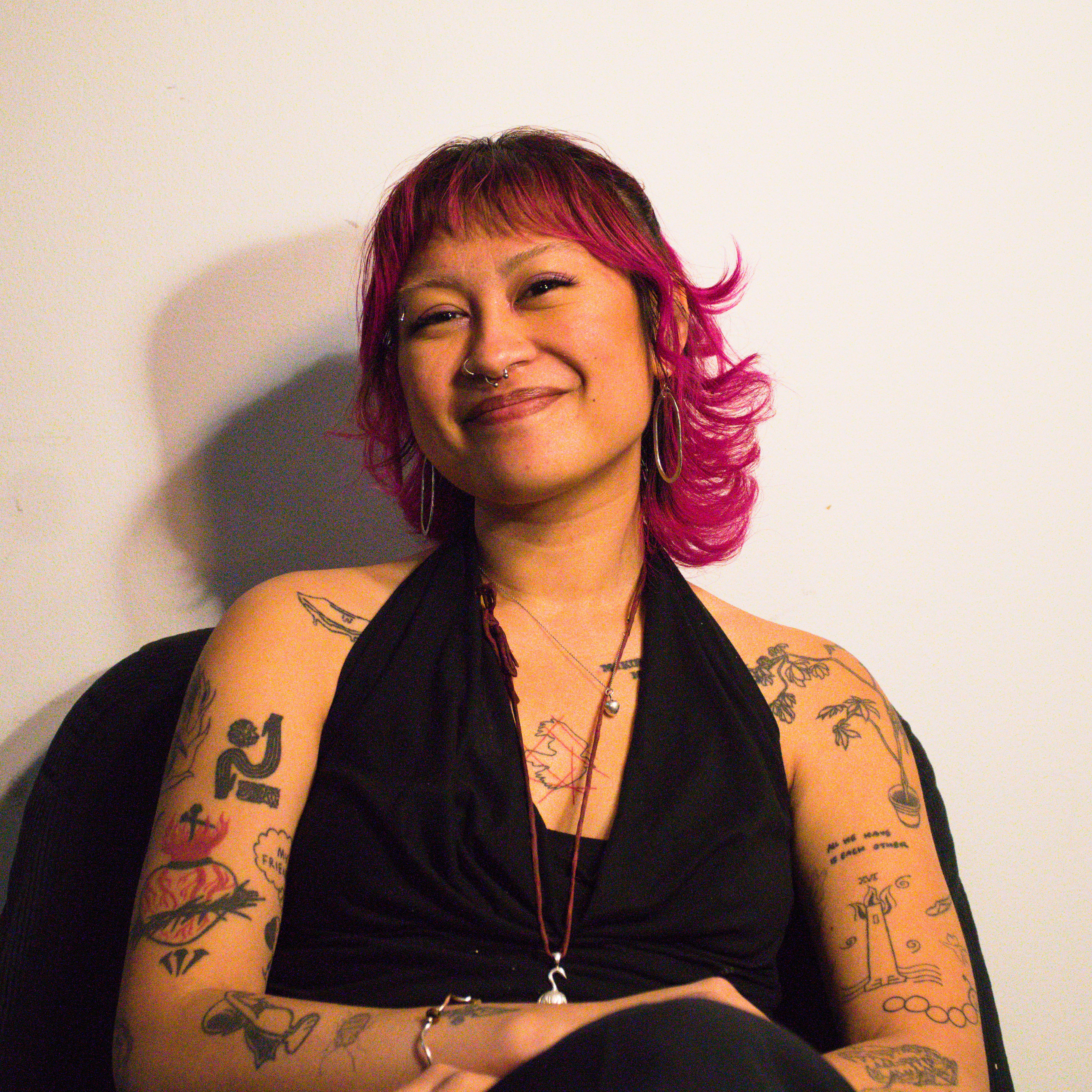 | James Salanga Editorial Director The Objective |
THIS WEEK’S LEAD STORY
Do we need a new approach to DEI?

Advocacy remains oriented toward diversifying mainstream white newsrooms. When does it make sense to stop advocating to diversify a burning house?
 Bluesky
 LinkedIn
 X
We’re asking what’s changed since 2020 after newsrooms promised equity.
Will you give $5 a month to help us commission freelance writers and edit their work? Support us by December 31 to help us claim $17,500 in matching funds.
FROM OUR ORBIT
Press On has opened up applications for its 2027 Freedomways Reporting program, geared towards training movement journalists in the South — and this year’s has a twist: it’s focused on community organizers who want to strengthen their reporting, as opposed to reporters looking to deepen their practice. Applications are due 11:45 p.m. ET on Jan. 15, 2027.
JOURNALISM IN A GRAF
“DEI does not go far enough because of its built-in and intentional limitations—DEI is equality for us within inherently oppressive structures as opposed to a dismantling of the systems themselves.”
This quote really resonated with me. What use is hiring more immigrant reporters if they’re still going to be required to protect the locations of ICE squads in the name of “objectivity”? What does it matter that more working class reporters are supported and mentored when editorial priorities are retreating upmarket? It just contributes to the same problem: We’re missing out on good stories, and we’re making cynics out of folks who could have been allies.
—Marlee Baldridge, production assistant
VIEWS FROM ELSEWHERE
As McClatchy commits to rebuilding itself around generative AI after gutting newsrooms, the head of the NewsGuild identifies a new trend: journalists are unionizing at a pace not seen since the 1930s amid a rush to automate newsrooms.
The narrative shadow of the War on Terror is reflected in the coverage of the modern war in Iran and the ongoing genocide in Gaza. Major broadcasters and publishers still publish hawkish language and are credulous of government reports concerning military actions there.
Today, the divide between news as a utility and news as a luxury is a background conversation in every think-piece on how to fund the future of news. Last week, Canada chose to view news as a utility, and is funding it accordingly.